I-Beams & Soldier Beams: Structural Support for Failing Foundation Walls
Explore the benefits of I-beams and soldier beams for stabilizing bowing and cracking foundation walls. Learn expert installation methods for long-lasting support.
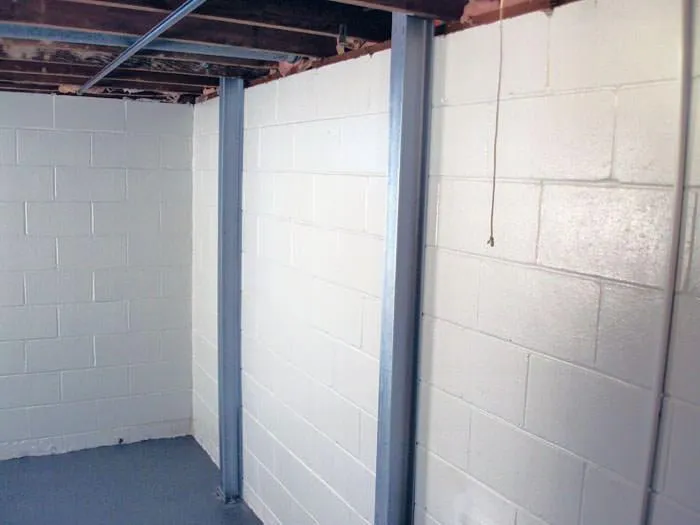
When foundation walls begin to bow, lean, or crack under pressure from soil and water, structural reinforcement becomes critical. Two of the most effective solutions used in foundation repair are I-beams and soldier beams. These systems are designed to stabilize compromised walls, prevent further movement, and help restore the structural integrity of your home or commercial building.
At Precision Waterproofing & Foundation Repair, we install professionally engineered beam systems to protect homes throughout North Georgia from costly structural damage.
What Are I-Beams?


Steel I-beams are heavy-duty vertical supports installed against basement or crawlspace walls that are bowing inward or showing signs of structural failure. The beam is anchored at the top and bottom to create resistance against continued wall movement.
I-beams are commonly used when:
Basement walls are bowing inward
Horizontal cracks are forming in block or concrete walls
Hydrostatic pressure is pushing against the foundation
A wall needs permanent structural reinforcement
These beams are often installed every 4 to 6 feet along the damaged wall to evenly distribute pressure and stabilize the structure.
What Are Soldier Beams?


Soldier beams are structural steel supports designed to reinforce severely compromised foundation walls. While similar to I-beams, soldier beams are often used in larger structural applications or in situations involving significant wall movement and load-bearing concerns.
These systems may be paired with:
Concrete footings
Wall anchors
Carbon fiber reinforcement
Excavation and drainage correction
Soldier beams are engineered to provide long-term support for failing walls that cannot safely remain unsupported.
Signs Your Foundation May Need Beam Reinforcement


Foundation walls rarely fail overnight. In many cases, homeowners notice warning signs months or years before serious structural issues develop.
Common signs include:
Horizontal or stair-step cracking
Bowing or leaning basement walls
Water intrusion through cracks
Doors and windows sticking
Separation between walls and floors
Uneven floors or structural movement
Ignoring these symptoms can lead to worsening structural damage and significantly more expensive repairs later.
Why Foundation Walls Fail
Most basement wall failure is caused by excessive pressure from surrounding soil. Heavy rain, poor drainage, hydrostatic pressure, and expanding clay soils all place stress on foundation walls over time.
Contributing factors may include:
Poor exterior drainage
Clogged gutters or downspouts
Saturated soil around the home
Inadequate waterproofing
Improper backfill during construction
Installing beam systems without addressing water intrusion can allow the problem to continue. That is why structural repair and waterproofing often go hand in hand.
The Benefits of I-Beams & Soldier Beams
Permanent Structural Support
Steel beams provide long-term reinforcement designed to stop further wall movement.
Minimal Disruption
Many beam systems can be installed from inside the basement without major excavation.
Increased Safety
Reinforcing a failing wall helps protect your home from structural collapse and costly damage.
Protects Property Value
Foundation issues can impact resale value. Professional repairs help preserve your investment.
Professional Structural Repair Matters


Every foundation problem is different. Proper beam installation requires a thorough structural evaluation to determine the cause of wall movement and the best reinforcement method.
At Precision Waterproofing & Foundation Repair, we provide customized structural repair solutions for homeowners dealing with:
Bowing walls
Foundation settlement
Basement water intrusion
Crawlspace structural issues
Concrete and wall stabilization
Our team focuses on long-term solutions that restore stability and protect your home for years to come.
Schedule a Foundation Inspection
If you notice cracks, bowing walls, or water intrusion in your basement or crawlspace, early action can prevent more extensive structural damage.
Contact Precision Waterproofing & Foundation Repair today to schedule a professional inspection and learn whether I-beams or soldier beams are the right solution for your foundation.