How Does Carbon Fiber Straps Work for Foundation Repair?
Discover how carbon fiber straps stabilizes basement walls, prevents further bowing, and offers a cost-effective, low-profile solution for foundation repair.
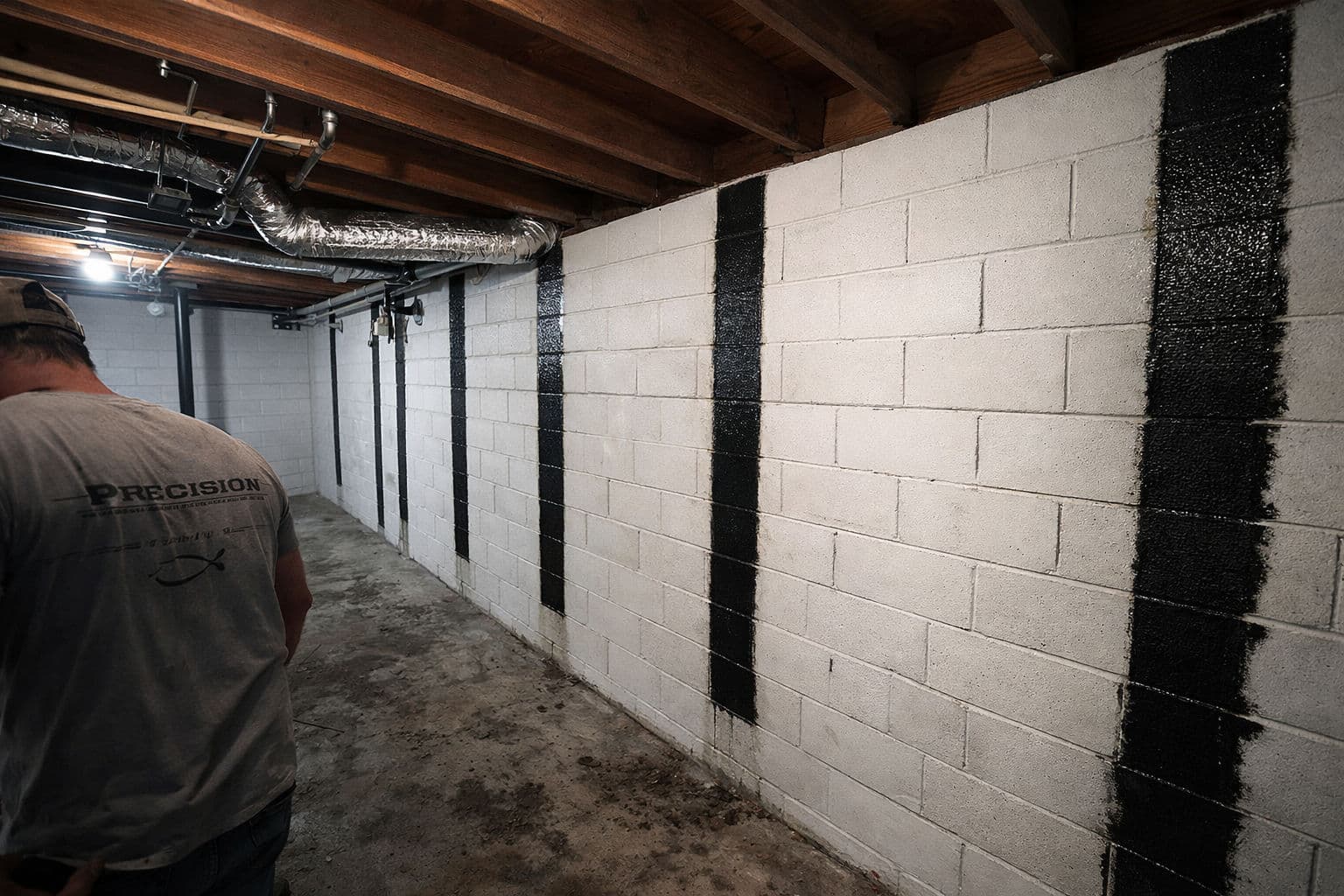
If you’ve noticed bowing or shifting in your basement walls, it could be a sign of serious foundation movement. Left unaddressed, this issue can worsen over time and lead to costly structural repairs. One of the most effective modern solutions is carbon fiber straps —a strong, minimally invasive method designed to stabilize failing block walls.
Let’s take a closer look at how carbon fiber straps works and why it’s a trusted solution for foundation repair.
Why Do Foundation Walls Bow or Shift?
Block foundation walls are especially vulnerable to pressure from surrounding soil. Over time, factors like heavy rainfall, poor drainage, and soil expansion can cause walls to move inward.
Common causes include:
Hydrostatic pressure from water-saturated soil
Expansive clay soils
Poor exterior drainage
Freeze-thaw cycles
When this pressure builds up, it can lead to horizontal cracks and visible bowing in your walls.
How Carbon Fiber Straps Works
Surface Preparation
The wall is cleaned and prepped to ensure proper adhesion. Any loose debris or damaged material is removed to create a solid bonding surface.
Application of Carbon Fiber Straps
High-strength carbon fiber straps are applied vertically along the wall using a specialized epoxy resin. These straps are incredibly strong—often stronger than steel—and bond tightly to the wall surface.
Wall Stabilization
Once cured, the carbon fiber straps hold the wall in place and prevent further inward movement. While they don’t push the wall back to its original position, they permanently stop additional bowing.
Low-Profile Finish
Carbon fiber straps are thin and can be painted over, making them a clean, unobtrusive solution compared to traditional methods like steel beams.
Benefits of Carbon Fiber Straps
Minimal disruption to your home
Faster installation compared to traditional repairs
Extremely high tensile strength
Cost-effective solution for wall stabilization
Long-lasting, maintenance-free performance
Why Professional Installation Matters
Proper installation is critical for carbon fiber straps to be effective. The strength of the system depends on correct placement, surface preparation, and adhesive application. A professional ensures the repair meets structural standards and provides lasting results.
Protect Your Foundation Today
Bowing walls are a warning sign you shouldn’t ignore. Addressing the issue early with carbon fiber straps can prevent more extensive—and expensive—repairs down the road.
👉 Contact our team today for a free consultation and find out if carbon fiber reinforcement is the right solution for your home.